
SimHub Setup for Tension
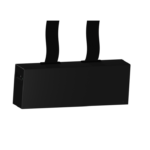
You are setting up REACTOR Tension Standalone.
Use the Tension Standalone controller configuration from this guide. Do not import the Motion controller file.
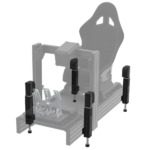
Setting up Motion, or Tension as an add-on to Motion?
Open the REACTOR Motion setup guide →
Your REACTOR Tension is already calibrated.
No further calibration in SimHub is needed nor recommended. Simply keep the existing calibration and follow the setup steps below.
Introduction #
To operate REACTOR Tension, the SimHub software is required.
This setup guide applies to the standalone use of REACTOR Tension.
If you are using the Tensioner as an add-on with the REACTOR Motion System, please continue here
1. Download and install the latest version of SimHub #
You can download the latest version of SimHub from this link:
Run the SimHub installer.
2. Buy SimHub licences #
To use the SimHub Motion add-on, you need to purchase two licences:
– Buy a SimHub base licence
– Buy a Motion add-on licence
3. Start SimHub #
Launch SimHub on your computer to begin the setup process.
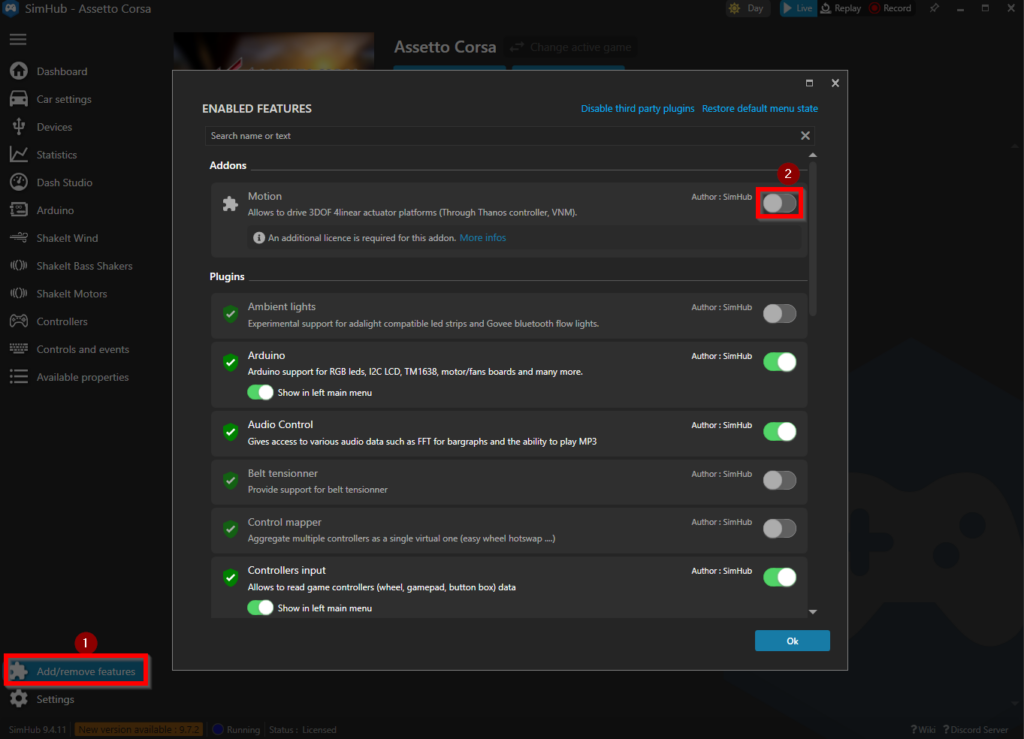
4. Activate Motion Plugin #
Once SimHub is running, enable the Motion add-on:
1.) Click on “Add/remove features”
2.) Click the enable button for the Motion add-on.
5. Activate Licenses #
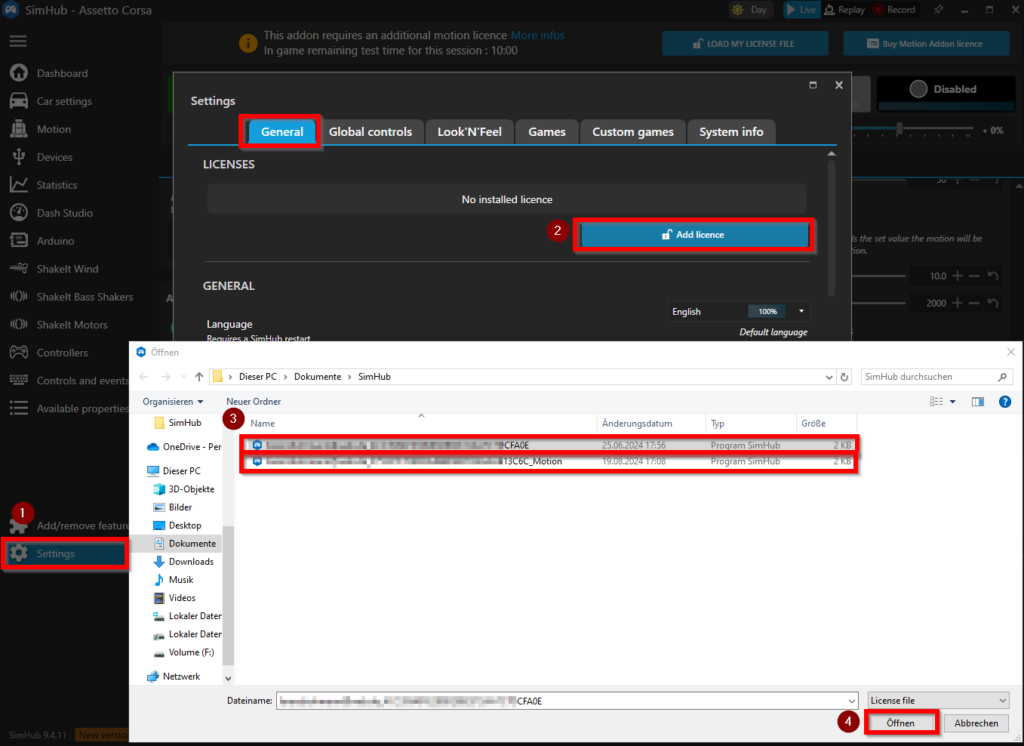
Make sure you have purchased both licences and saved the licence files sent to you by SimHub by email.
1.) Open “Settings → General”.
2.) Click “Add License”.
3.) Select a licence file on your computer. Only one file can be selected at a time.
4.) Open the selected file.
5.) Repeat these steps for the other licence.
6. Configure Seatbelt Settings #
Follow the steps below to configure your REACTOR Tension Standalone.
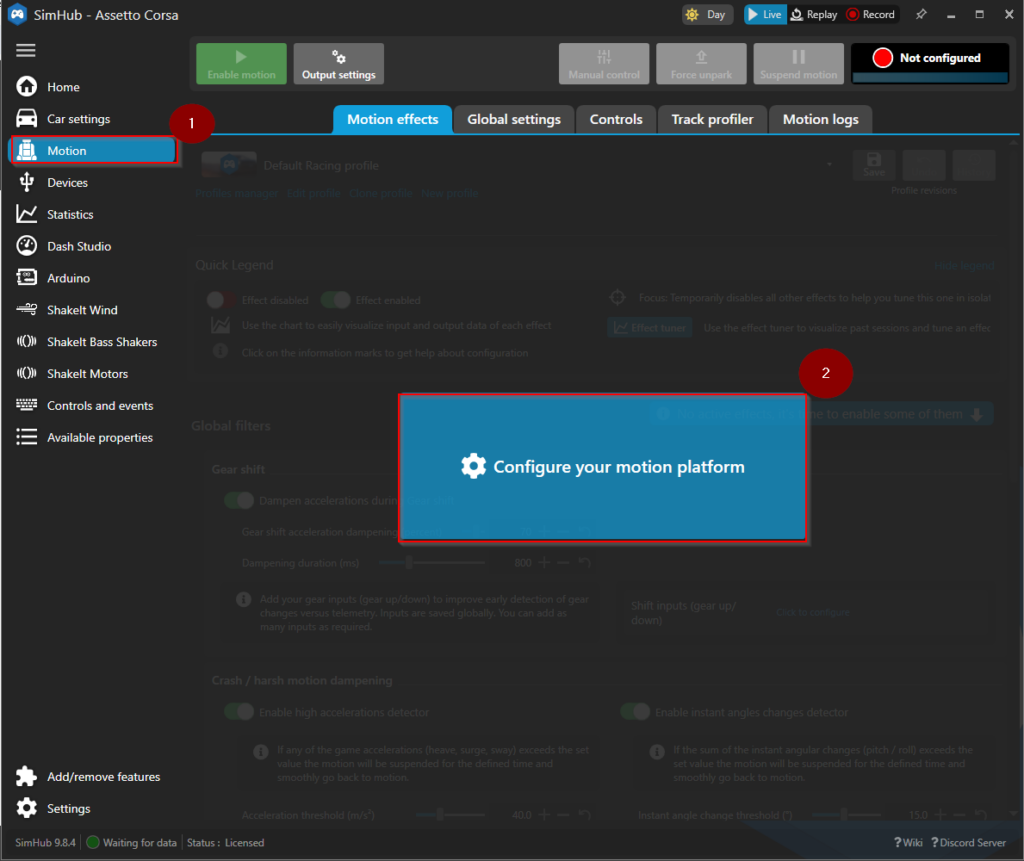
1.) Click “Motion”.
2.) Click “Configure your motion platform”.
7. Import Geometry Configuration #
Download our preconfigured geometry settings from REACTOR.
Download Tension Standalone geometry configuration
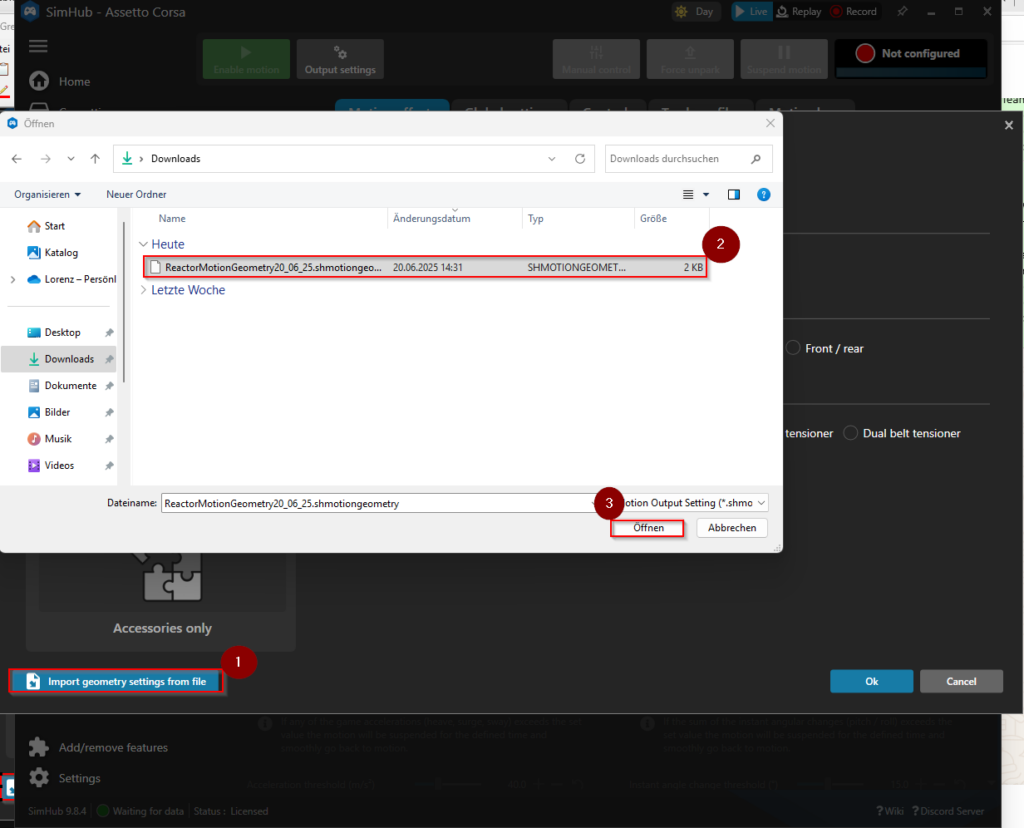
1.) Click “Import geometry settings from file”.
2.) Select the downloaded “*.shmotiongeometry” file in the file picker.
3.) Open the file.
8. Import Controller Configuration #
Before importing: this download is for REACTOR Tension Standalone. Use the controller file from this guide, not a file downloaded for the other product.
Download our preconfigured output controller settings from REACTOR.
Download Tension Standalone controller configuration
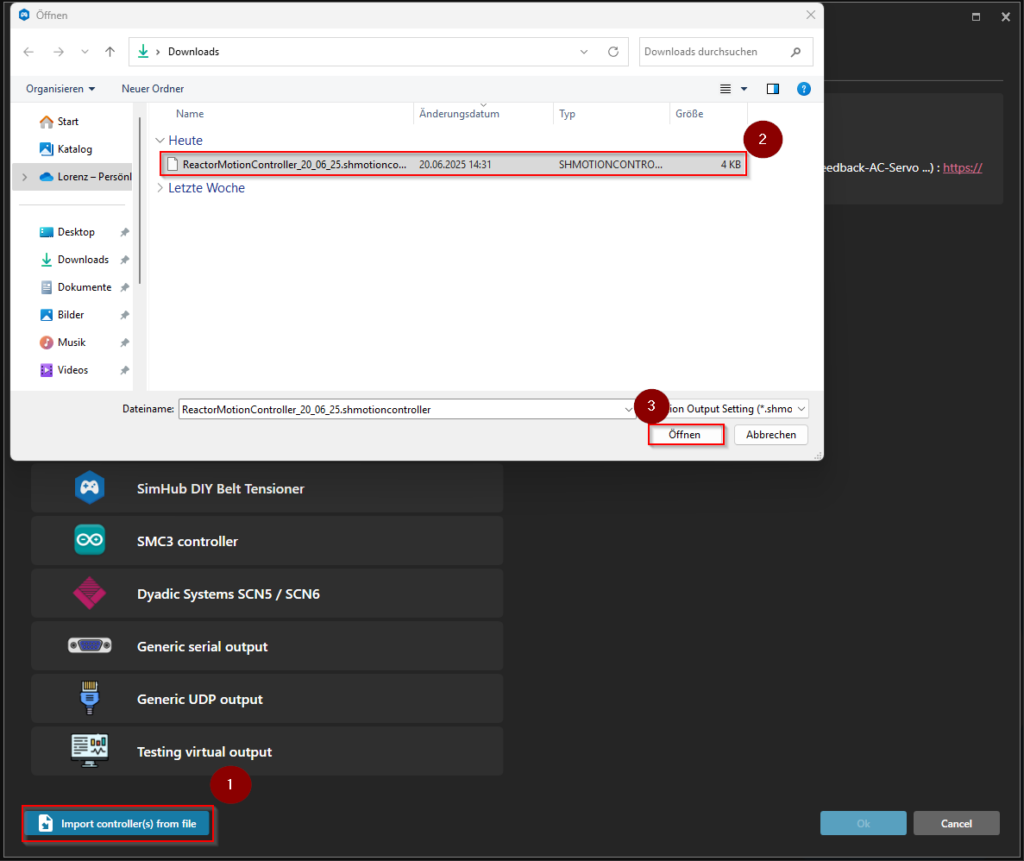
1.) Click “Import controller(s) from file”.
2.) Select the downloaded “*.shmotioncontroller” file in the file picker.
3.) Open the file.
9. Select the COM port #
Select the COM port used by your REACTOR Tension Standalone control unit, as described below.
1.) Open “Settings” for the imported Tension Standalone controller.
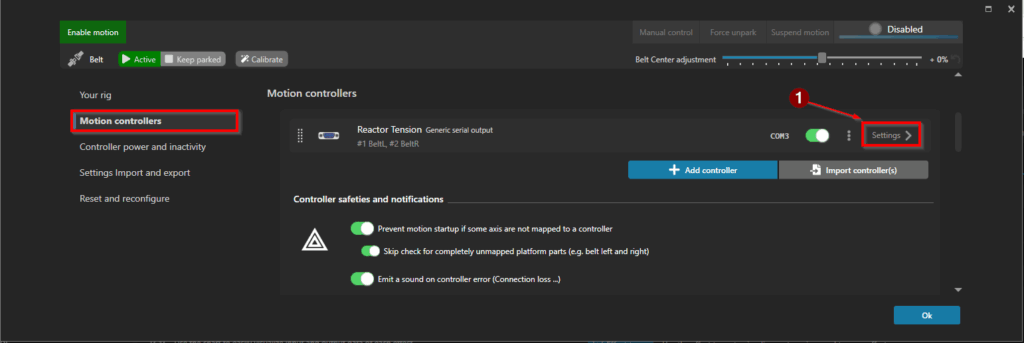
2.) Open “Controllers” and select the COM port used by the control unit connected via USB. It is usually shown as “FTDI”. If you cannot find it, use “Identify”.
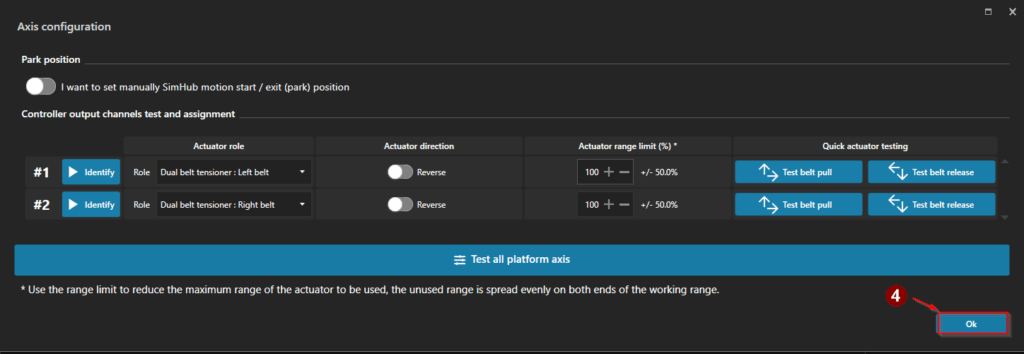
3.) Then press “Edit axis assignments”

4.) The axes are already assigned. Click “OK”.
10. Test the platform #
You can now run a functional test.
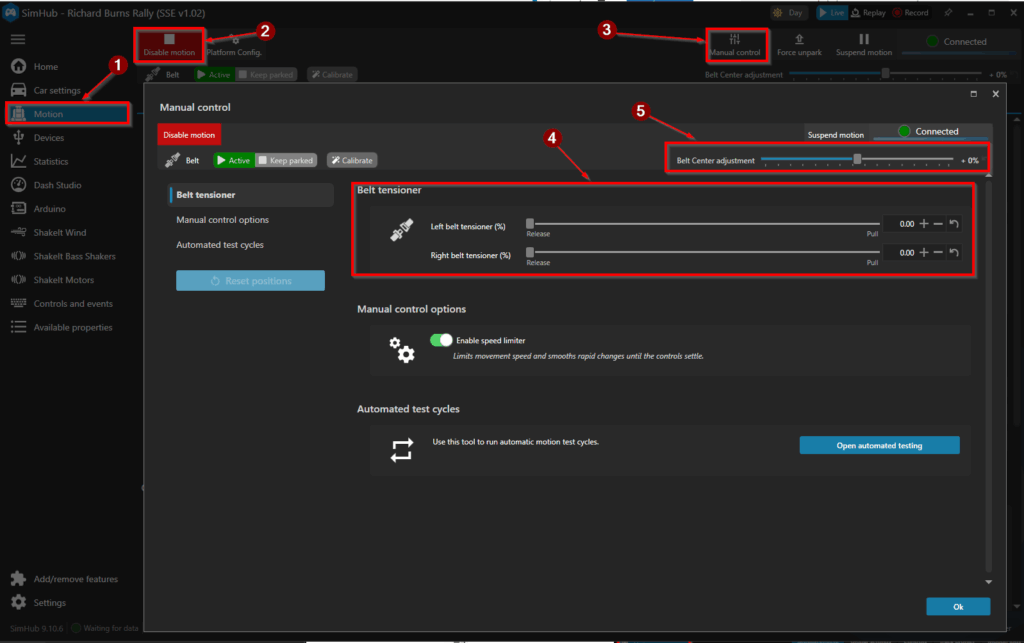
1.) Navigate to “Motion”
2.) Press “Enable Motion”
3.) Go to “Manual Control”
4.) Use the sliders to slowly increase the belt tension on each side.
11. Ready to tension #
Your belt tensioner is now ready for your favourite games. Some games require additional steps to enable telemetry data for SimHub. Follow the instructions in SimHub.